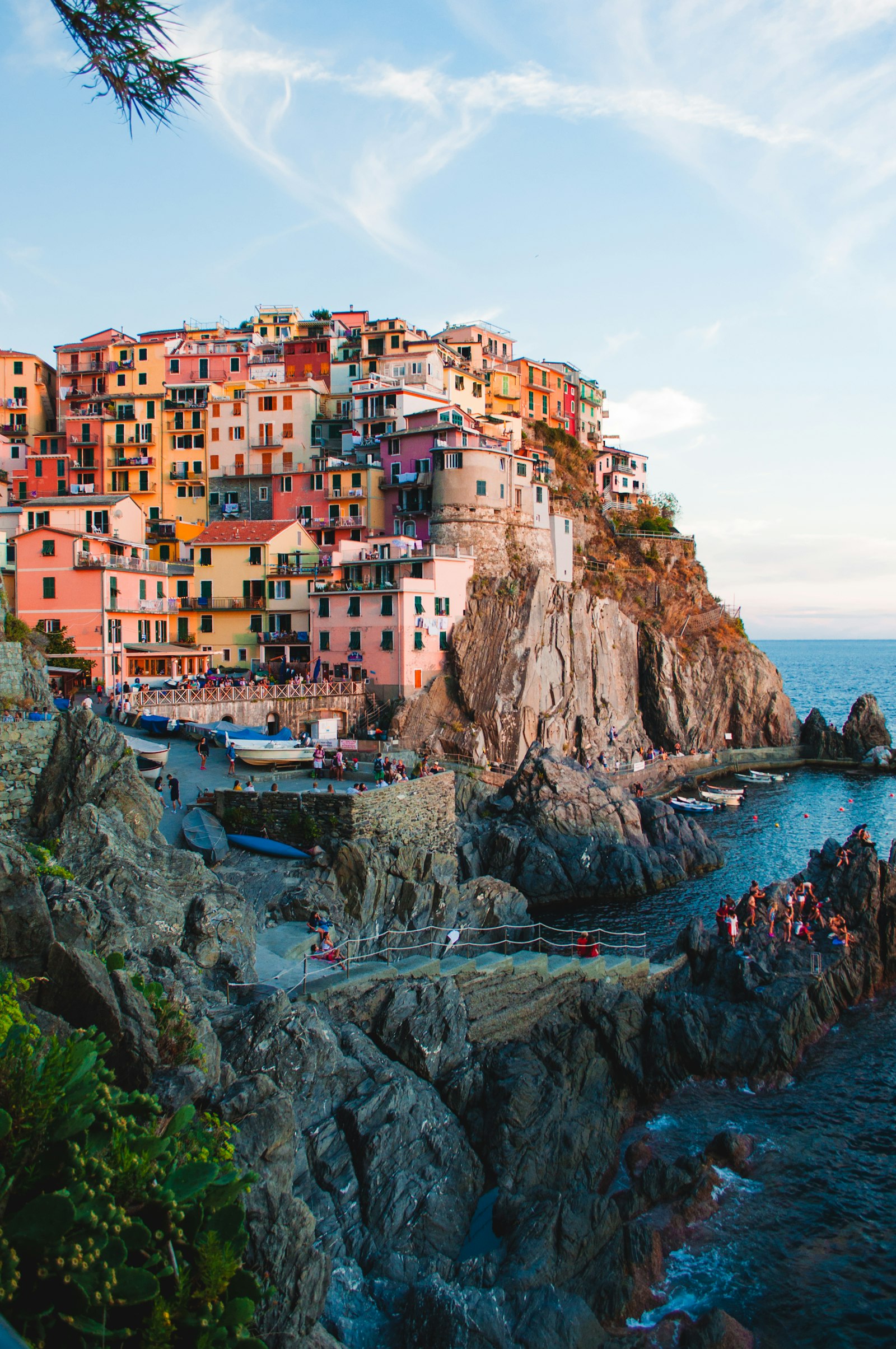
Colorful houses of a Mediterranean coastal village above the sea

Sa Coghina de s'Isula

Sardinian Cooking Without Vegetable Oil

Recipes from the granite island where bread is baked twice, pigs roast over slow embers, and the only fats that touch the pan are olive oil, lard and butter.

Read the Recipes

Sos Tres Printzipios

Three Rules of the Island Kitchen

  1. Ozu 'e Olia

    Olive oil first

    Sardinian tables begin with the olive grove. Green, peppery oil goes over warm bread, into the pasta pot and across the fish before it meets the fire. When a recipe here says oil, it means olive oil and nothing else.

  2. Su Fogu Lentu

    The slow fire

    The island cooks with patience. A suckling pig turns for hours, a ragu murmurs at the edge of a simmer, and flatbread crisps twice in a falling oven. Time is the seasoning that cannot be bought.

  3. Mai Ozu 'e Semene

    Never seed oil

    No sunflower, soybean, corn or canola oil appears in any recipe on this site. Where a shepherd would have reached for lard or butter, so do we. Where the coast calls for oil, it is always from the olive.

Sas Retzetas

Six Dishes From Sardinia

Each recipe is written for a home kitchen and stays faithful to the island rule: olive oil, lard, butter, and nothing pressed from a seed.

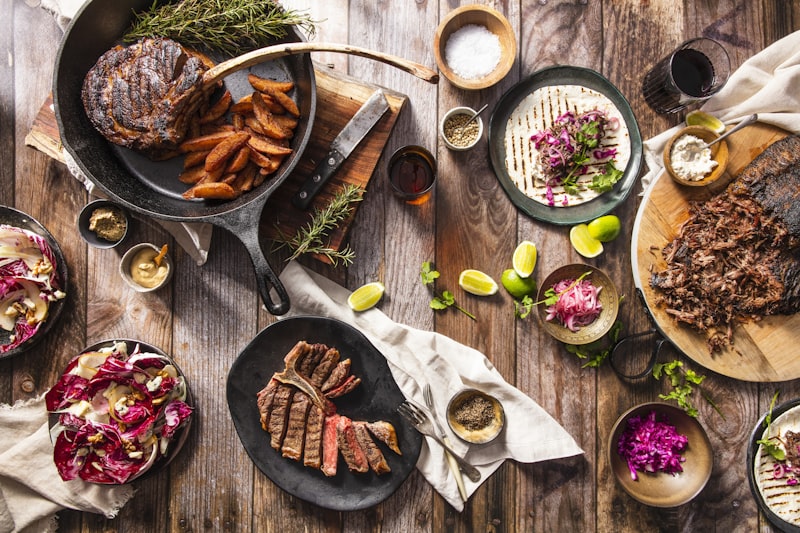
Rustic wooden table spread with slow roasted meats and cast iron pans

The centerpiece of every Sardinian celebration, traditionally turned on a spit over juniper and myrtle embers. This oven version keeps the crackling glass-crisp and the meat soft enough to carve with a spoon.

Ingredients

  • 1 whole suckling pig or bone-in pork shoulder, about 4 kg
  • 3 tbsp lard, softened
  • 2 tbsp extra virgin olive oil
  • 2 tbsp coarse sea salt
  • 1 tbsp black peppercorns, crushed
  • 6 fresh bay leaves
  • 4 sprigs rosemary
  • 3 sprigs fresh myrtle or thyme
  • 6 garlic cloves, bruised
  • 1 glass dry white wine

Method

  1. Pat the pig completely dry and score the skin lightly without cutting into the flesh. Rub the meat side with lard, garlic and crushed pepper.
  2. Massage the skin with olive oil and sea salt, working it into every score line. Rest uncovered in the refrigerator for 2 hours so the skin dries.
  3. Heat the oven to 130 C. Lay the herbs on a rack in a deep roasting tray, set the pig on top skin side up, and pour the wine underneath.
  4. Roast slowly for 3 hours, basting the meat side only with the tray juices every 45 minutes. Never wet the skin.
  5. Raise the oven to 220 C and roast 25 to 35 minutes more, until the skin blisters into amber crackling.
  6. Rest 20 minutes under no cover at all, then carve on a wooden board lined with the roasted herbs.
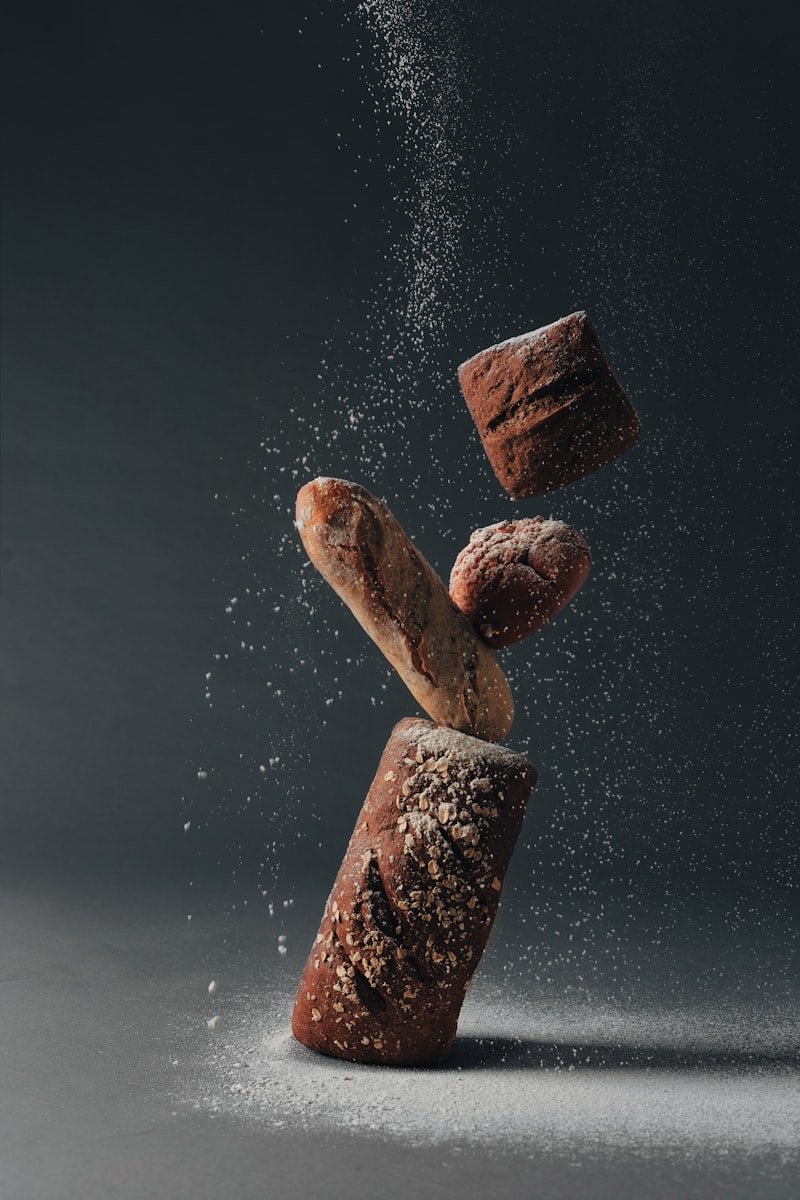
Rustic loaves of bread dusted with falling flour against a dark background

The paper-thin music bread that shepherds carried into the hills for weeks at a time. Baked once to puff, split by hand, then baked again until it snaps like a wafer.

Ingredients

  • 400 g fine semolina flour
  • 100 g strong white flour
  • 325 ml warm water
  • 7 g fresh yeast or 3 g dry yeast
  • 8 g fine sea salt
  • 1 tsp extra virgin olive oil, for the bowl
  • Semolina, for dusting
  • 2 tbsp extra virgin olive oil, for serving
  • Flaky sea salt, for serving
  • 1 sprig rosemary, leaves only, for serving

Method

  1. Dissolve the yeast in the warm water. Mix both flours with the salt, add the water and knead 10 minutes to a smooth, elastic dough.
  2. Rest the dough in a lightly oiled bowl, covered, for 1 hour 30 minutes, until nearly doubled.
  3. Divide into 8 balls and roll each on semolina into a very thin round, about 2 mm.
  4. Heat the oven to its highest setting with a baking stone or upturned tray inside. Bake one round at a time until it balloons, about 90 seconds.
  5. Working quickly, split each balloon along its equator into two thin discs with a knife.
  6. Lower the oven to 180 C and return the discs in batches until pale gold and fully crisp, 5 to 7 minutes.
  7. Serve brushed with olive oil, flaky salt and rosemary, or stack and store dry for weeks.
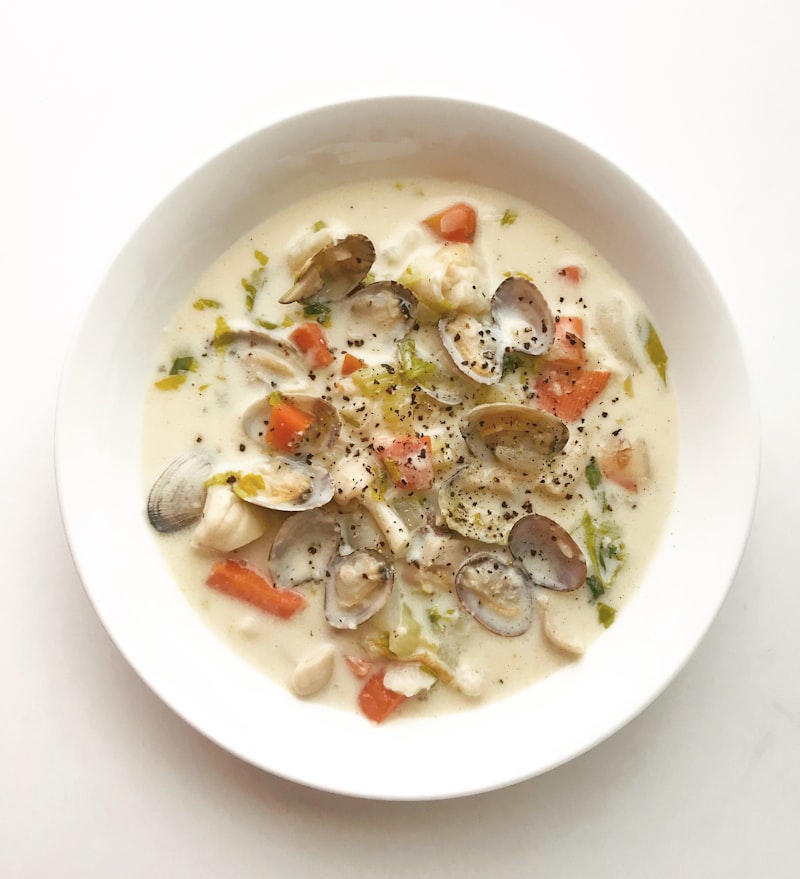
White bowl of clams in their shells in a light savory broth with vegetables

Cagliari's lagoon classic: hand rolled semolina pearls, toasted until nutty, simmered in the briny liquor of fresh clams. Somewhere between a pasta and a soup, and better than both.

Ingredients

  • 320 g fregola sarda, medium toast
  • 1 kg small clams, purged in salted water
  • 5 tbsp extra virgin olive oil
  • 3 garlic cloves, finely sliced
  • 200 g ripe cherry tomatoes, halved
  • 120 ml dry white wine
  • 1 litre light fish stock or water, hot
  • 1 small dried chili, crumbled
  • 1 handful flat parsley, chopped
  • Fine sea salt, to taste

Method

  1. Warm 3 tablespoons of olive oil with the garlic and chili in a wide pot until fragrant but not colored.
  2. Add the clams and wine, cover, and steam 3 to 4 minutes until the shells open. Discard any that stay shut.
  3. Strain the clam liquor through a fine sieve and set aside. Shell half the clams, keeping the rest whole.
  4. In the same pot, soften the tomatoes in the remaining oil for 5 minutes, then stir in the fregola to coat.
  5. Add the clam liquor and hot stock a ladle at a time, cooking the fregola like a risotto, 12 to 14 minutes.
  6. Return all the clams, rest 2 minutes off the heat, and finish with parsley and a thread of raw olive oil.
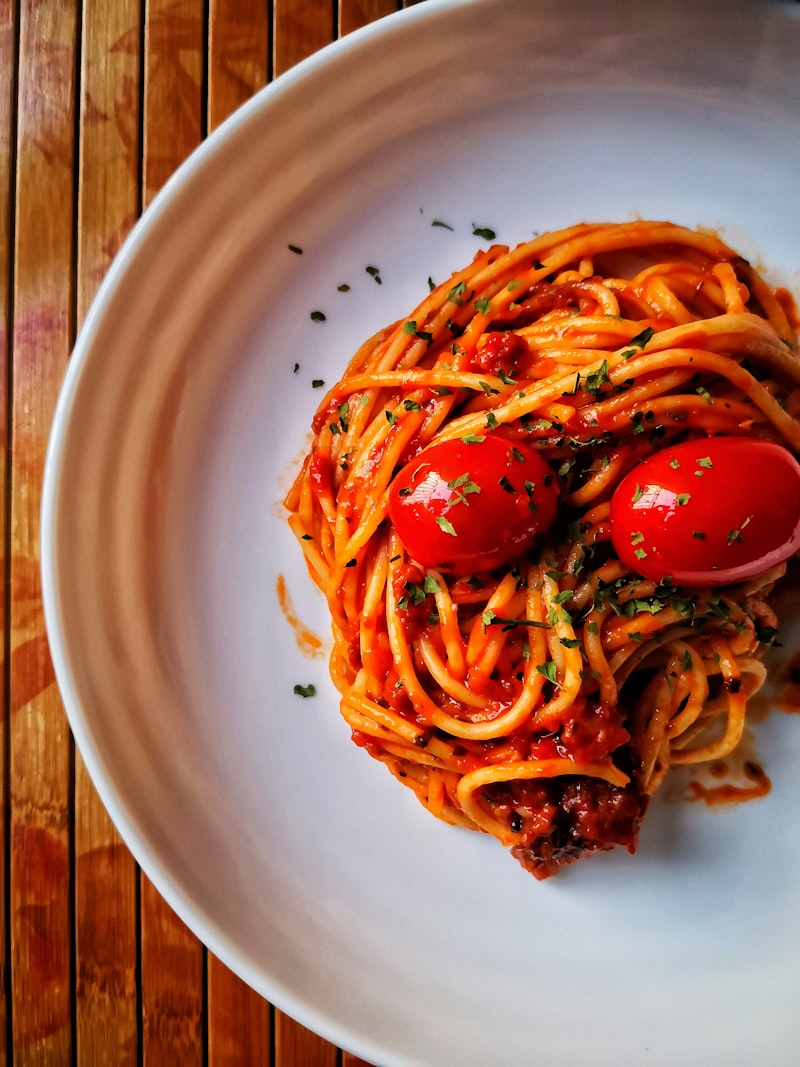
Plate of pasta in a rich tomato ragu with herbs on a white dish

The little ridged shells nicknamed Sardinian gnocchi, golden with saffron and dressed in a fennel scented sausage ragu. This is Sunday lunch in the Campidano plain.

Ingredients

  • 400 g malloreddus pasta
  • 350 g coarse pork sausage, casings removed
  • 3 tbsp extra virgin olive oil
  • 1 small yellow onion, finely diced
  • 1 carrot, finely diced
  • 1 celery stick, finely diced
  • 500 g tomato passata
  • 1 generous pinch saffron threads
  • 100 ml dry white wine
  • 60 g mature pecorino, finely grated

Method

  1. Soak the saffron in 3 tablespoons of warm water and set aside to bloom.
  2. Sweat the onion, carrot and celery in olive oil over low heat for 10 minutes until sweet and translucent.
  3. Raise the heat, crumble in the sausage and brown it well, then pour in the wine and let it evaporate.
  4. Add the passata and the saffron water, season lightly, and simmer uncovered for 40 minutes, until thick and glossy.
  5. Boil the malloreddus in well salted water until just al dente, then transfer them to the ragu with a splash of pasta water.
  6. Toss over the heat for 1 minute, shower with pecorino, and serve in warmed bowls.
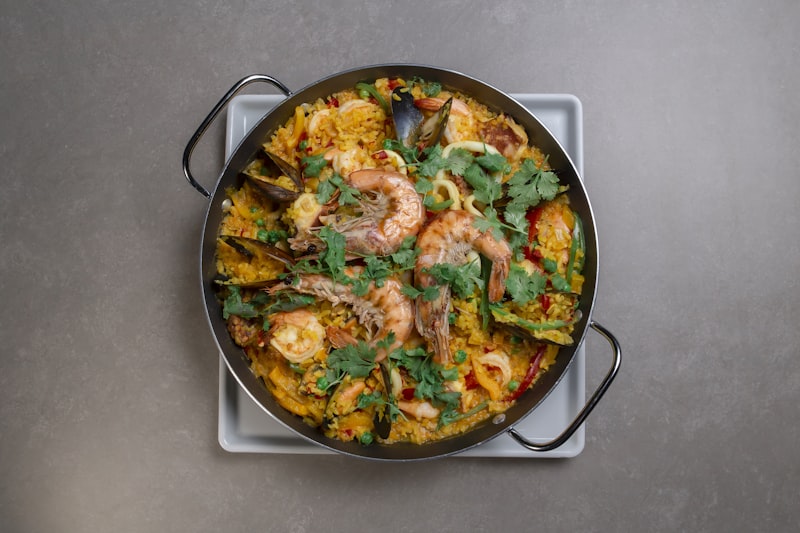
Wide pan of saffron seafood with prawns, mussels and fresh herbs

From the island's Ligurian speaking northwest corner comes a golden couscous crowned with whatever the boats brought in: prawns, mussels and firm white fish in a saffron broth.

Ingredients

  • 350 g medium couscous
  • 400 g firm white fish, in chunks
  • 300 g whole prawns
  • 500 g mussels, scrubbed
  • 5 tbsp extra virgin olive oil
  • 1 onion, finely chopped
  • 2 garlic cloves, minced
  • 300 g crushed tomatoes
  • 1 pinch saffron threads
  • 750 ml fish stock, hot

Method

  1. Soften the onion and garlic in 3 tablespoons of olive oil, then add the tomatoes and saffron and cook 10 minutes.
  2. Pour in the hot stock, bring to a gentle simmer, and poach the white fish for 5 minutes.
  3. Add the prawns and mussels, cover, and cook until the shells open, about 4 minutes more.
  4. Lift the seafood out and keep warm. Measure 500 ml of the broth for the couscous.
  5. Stir the couscous into the measured broth with the last 2 tablespoons of olive oil, cover, and rest 5 minutes off the heat.
  6. Fluff with a fork, mound onto a warm platter, and arrange the seafood on top with a little extra broth.
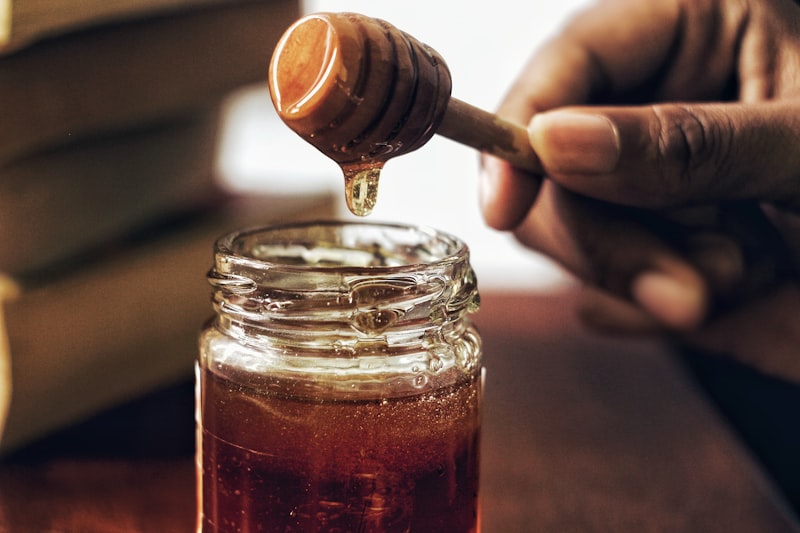
Honey dripping from a wooden dipper into a glass jar

The island's most beloved ending: a crisp semolina pastry hiding a heart of young pecorino and lemon zest, fried in lard and drowned at the table in warm bitter honey.

Ingredients

  • 300 g fine semolina flour
  • 100 g plain flour
  • 60 g lard, plus about 400 g more for frying
  • 150 ml warm water
  • 1 pinch fine sea salt
  • 400 g young pecorino, coarsely grated
  • Zest of 1 unwaxed lemon
  • 1 tbsp semolina, for dusting
  • 6 tbsp corbezzolo or wildflower honey
  • 1 strip lemon peel, for the honey pan

Method

  1. Rub 60 g of lard into both flours with the salt, add the warm water, and knead to a smooth, supple dough. Rest 30 minutes under a cloth.
  2. Melt the pecorino gently in a nonstick pan until it just slumps, stir in the lemon zest, then spread it 1 cm thick and cool. Cut into 8 discs.
  3. Roll the dough very thin on a dusted board and cut 16 rounds a little wider than the cheese discs.
  4. Set a cheese disc on 8 of the rounds, cap with the remaining rounds, and press the edges closed with a fluted wheel.
  5. Heat the frying lard to 170 C and fry the seadas one or two at a time, spooning fat over them, until puffed and golden, about 2 minutes per side.
  6. Warm the honey with the lemon peel and pour it generously over the hot pastries. Serve immediately, while the cheese still pulls.

Sa Domo Nostra

Our Kitchen

Camllo Coghina is an editorial kitchen journal devoted to the cooking of Sardinia, the granite island in the middle of the western Mediterranean. We test every recipe in an ordinary home kitchen, on an ordinary stove, before it is published.

Our house rule is borrowed from the island itself. Sardinian cooking grew out of the olive grove, the sheepfold and the wood fire, long before industrial seed oils existed. So every dish on this site is made with olive oil, lard or butter, exactly as it would have been made for generations, and never with vegetable oil.

We publish slowly and we keep the archive small on purpose. A short shelf of dishes, each one worth cooking many times, seems to us more useful than an endless scroll.